
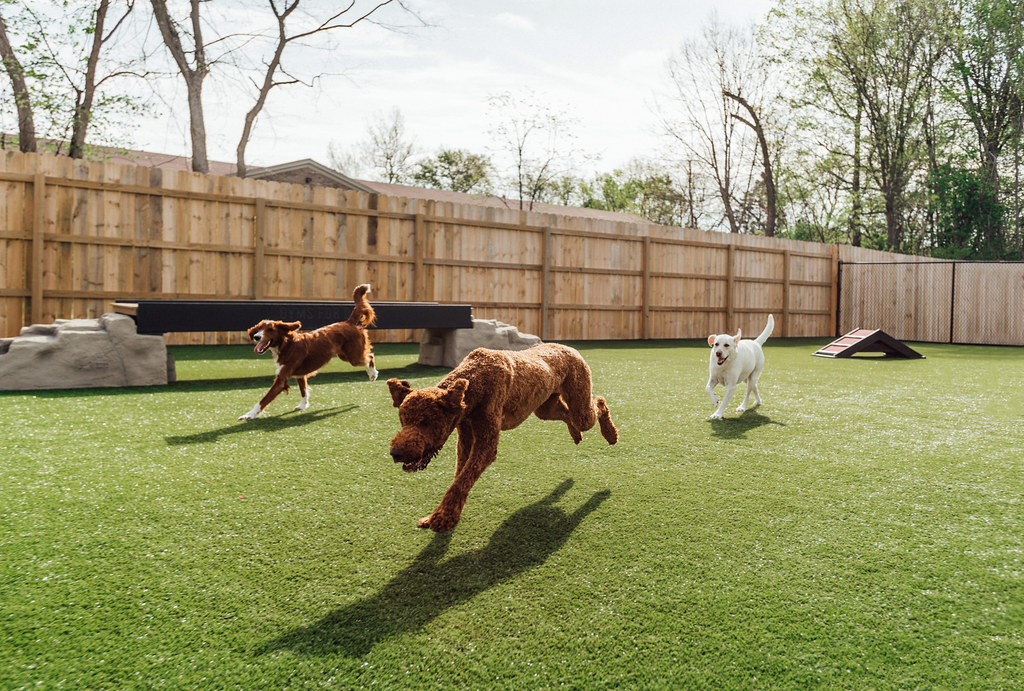
If you have dogs, you know how quickly a backyard can become difficult to maintain. Running, digging, urine spots, muddy paws, and heavy foot traffic can leave natural grass looking worn out. During rainy weather, your yard can quickly turn into a muddy mess that gets tracked throughout your home.
So, is pet turf easy to maintain?
Yes! Pet artificial turf is one of the easiest lawn options to maintain, especially for homeowners with active dogs. While it is not completely maintenance-free, pet turf requires significantly less routine care than natural grass and can make it easier to keep your outdoor space clean, green, and usable throughout the year.
At 50 Shades of Green NC, we install pet-friendly artificial turf designed specifically for areas that experience heavy use from dogs and other pets.
What Is Pet Turf?
Pet turf is a type of artificial grass designed to handle the unique demands of pets. Unlike natural grass, it does not grow, become patchy from urine spots, or turn into mud every time it rains.
Quality pet turf is designed to be durable, comfortable, and easy to clean. The pet turf offered by 50 Shades of Green features a drainage system designed to allow water and liquid to move through the turf efficiently.
This makes artificial pet turf an excellent choice for:
- Dog runs
- Backyard pet areas
- Homes with multiple dogs
- Kennels
- Pet play areas
- High-traffic sections of a yard
- Areas that frequently become muddy
How Much Maintenance Does Pet Turf Require?
One of the biggest reasons homeowners choose artificial pet turf is the reduced maintenance.
Natural grass requires regular mowing, watering, fertilizing, weed control, reseeding, and other lawn-care tasks. Pet turf eliminates many of these chores.
Routine pet turf maintenance is generally simple:
1. Remove Leaves and Debris
Leaves, sticks, grass clippings, and other debris can accumulate on your artificial turf just as they can on natural grass.
A simple leaf blower, broom, or light rake can be used to remove debris. Occasional light raking can also help keep the turf looking neat.
2. Rinse the Turf
Rinsing your pet turf with a garden hose is an easy way to remove dust, pollen, dirt, and other small particles.
If your dogs frequently use the turf, occasional rinsing can also help keep the area fresh and clean.
Pet turf is designed with drainage in mind, allowing water to move through the system rather than sitting on top of the grass.
3. Pick Up Pet Waste
Artificial turf makes cleaning up after your pets straightforward.
Solid waste should be removed just as you would from a natural lawn. Once the waste has been removed, the area can be rinsed as needed.
Keeping up with this simple routine can help your pet area remain clean and comfortable.
4. Brush High-Traffic Areas
Dogs can spend hours running, playing, and resting in the same areas. Over time, heavily used sections of turf may benefit from occasional brushing.
Brushing helps keep the turf blades standing upright and maintains a clean, natural appearance.
Does Dog Urine Damage Artificial Turf?
One of the major advantages of pet turf is that it does not develop the yellow and brown dead spots commonly associated with dog urine on natural grass.
Natural grass can become discolored or damaged when dogs repeatedly use the same area. Artificial turf does not grow or die, so you don’t have to constantly reseed or repair those areas.
Proper drainage is especially important for pet applications because liquids need somewhere to go. Pet turf systems such as the product installed by 50 Shades of Green are designed to provide increased permeability and drainage.
For homeowners with dogs that repeatedly use the backyard, this can make a significant difference in everyday lawn maintenance.
What About Muddy Paws?
Muddy paws are one of the biggest frustrations for dog owners.
Natural grass can become saturated after heavy rain, particularly in areas where dogs repeatedly run and play. Once the soil becomes exposed, your pets can track mud directly into your house.
Artificial pet turf provides a durable surface that can help eliminate many of these muddy areas.
Instead of dealing with exposed soil and damaged grass, your dogs have a consistent outdoor surface that can be used in wet and dry conditions.
That means less mud in your backyard—and potentially less mud on your floors.
Does Pet Turf Need to Be Watered?
No. Artificial turf does not need regular watering to stay green.
You don’t have to turn on your irrigation system every week just to keep your lawn looking healthy. Pet turf stays green throughout the year without growing or going dormant.
However, that does not mean you should never use water on artificial turf.
Occasional rinsing is helpful for removing dirt, dust, pollen, and pet-related messes. For pet areas, rinsing can be part of a simple cleaning routine.
This is very different from watering natural grass for growth and maintenance.
Is Pet Turf Good for North Carolina Weather?
North Carolina homeowners deal with a variety of weather conditions throughout the year, including hot summers, heavy rain, humidity, and changing seasonal conditions.
Pet turf can provide a consistent outdoor surface regardless of whether natural grass is actively growing.
Proper installation and drainage are important, particularly in areas that receive significant rainfall. The turf itself is only one part of the system—the underlying base and drainage design also play an important role in how well the finished area performs.
A professionally installed pet turf system can give homeowners a cleaner, more dependable outdoor area for their pets.
How Long Does Pet Turf Last?
High-quality artificial turf is designed to withstand regular use.
The pet turf offered by 50 Shades of Green is designed for active dogs and heavy use. The product features durable U-shaped blades and is backed by a 15-year warranty, with an expected lifespan of up to 25 years depending on use and conditions.
Of course, the actual lifespan of any artificial turf installation can depend on factors such as:
- Product quality
- Installation quality
- Amount of foot and pet traffic
- Maintenance
- Weather exposure
- How the area is used
Regular basic maintenance can help keep your artificial turf looking and performing its best.
Pet Turf vs. Natural Grass: Which Is Easier to Maintain?
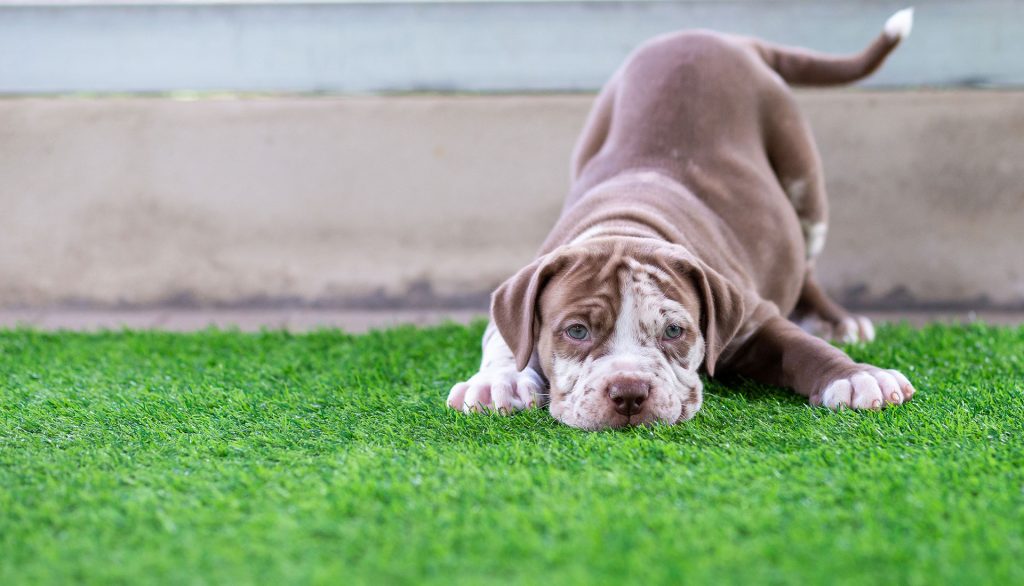
For many dog owners, pet turf requires considerably less ongoing maintenance than natural grass.
With natural grass, you may need to:
- Mow regularly
- Water frequently
- Fertilize
- Treat weeds
- Repair bare spots
- Reseed damaged areas
- Deal with mud
- Address pests
- Maintain areas damaged by pets
With pet turf, maintenance is much simpler.
You generally need to:
- Remove debris
- Pick up pet waste
- Rinse the turf
- Occasionally brush high-traffic areas
That’s a major difference for homeowners who want to spend more time enjoying their yard and less time maintaining it.
Does Artificial Pet Turf Help With Pests?
Another benefit of artificial turf is that it eliminates many of the conditions associated with natural grass.
Natural lawns can provide places for weeds, insects, and other pests to live. Artificial turf doesn’t require the same fertilizers, herbicides, and lawn treatments traditionally used to maintain natural grass.
50 Shades of Green’s pet turf is also lead-free and designed as a cleaner alternative for areas used by children and pets.
While artificial turf does not make a property completely pest-free, eliminating natural grass can reduce some of the lawn-care issues that homeowners regularly deal with.
Is Pet Turf Worth It for Dog Owners?
For many homeowners, the answer is yes.
Pet turf can be especially worthwhile if you are tired of:
- Muddy paws
- Brown or dead grass
- Constant mowing
- Dog urine spots
- Bare patches
- Yard maintenance
- Standing water
- Repeatedly repairing damaged grass
The biggest advantage may be the time you get back.
Instead of spending your weekends trying to repair the lawn, you can spend more time outside with your family and pets.
Professional Pet Turf Installation in North Carolina
Choosing quality turf is important, but professional installation is just as important.
Proper preparation, grading, drainage, base construction, turf placement, and finishing details all contribute to how your artificial lawn performs.
At 50 Shades of Green NC, we provide artificial turf solutions for residential and commercial properties throughout Central and Eastern North Carolina. Our service areas include Raleigh, Cary, Apex, Clayton, Durham, Garner, Hillsborough, Morrisville, Wake Forest, Fuquay-Varina, Wilmington, and surrounding communities.
Whether you want a dedicated dog run, a small pet area, or a complete backyard transformation, our team can help you choose a turf solution designed around your needs.
Make Your Backyard Easier to Maintain
So, is pet turf easy to maintain?
Absolutely.
Pet artificial turf eliminates many of the lawn-care tasks associated with natural grass while providing a durable, green, and easy-to-clean surface for your pets.
With simple maintenance such as removing debris, picking up pet waste, occasional rinsing, and brushing high-traffic areas, your turf can continue looking great for years.
If you’re tired of muddy paws, damaged grass, and spending your weekends working on the lawn, pet turf may be the solution you’ve been looking for.
Contact 50 Shades of Green NC today to learn more about pet artificial turf and request a quote for your North Carolina property.
